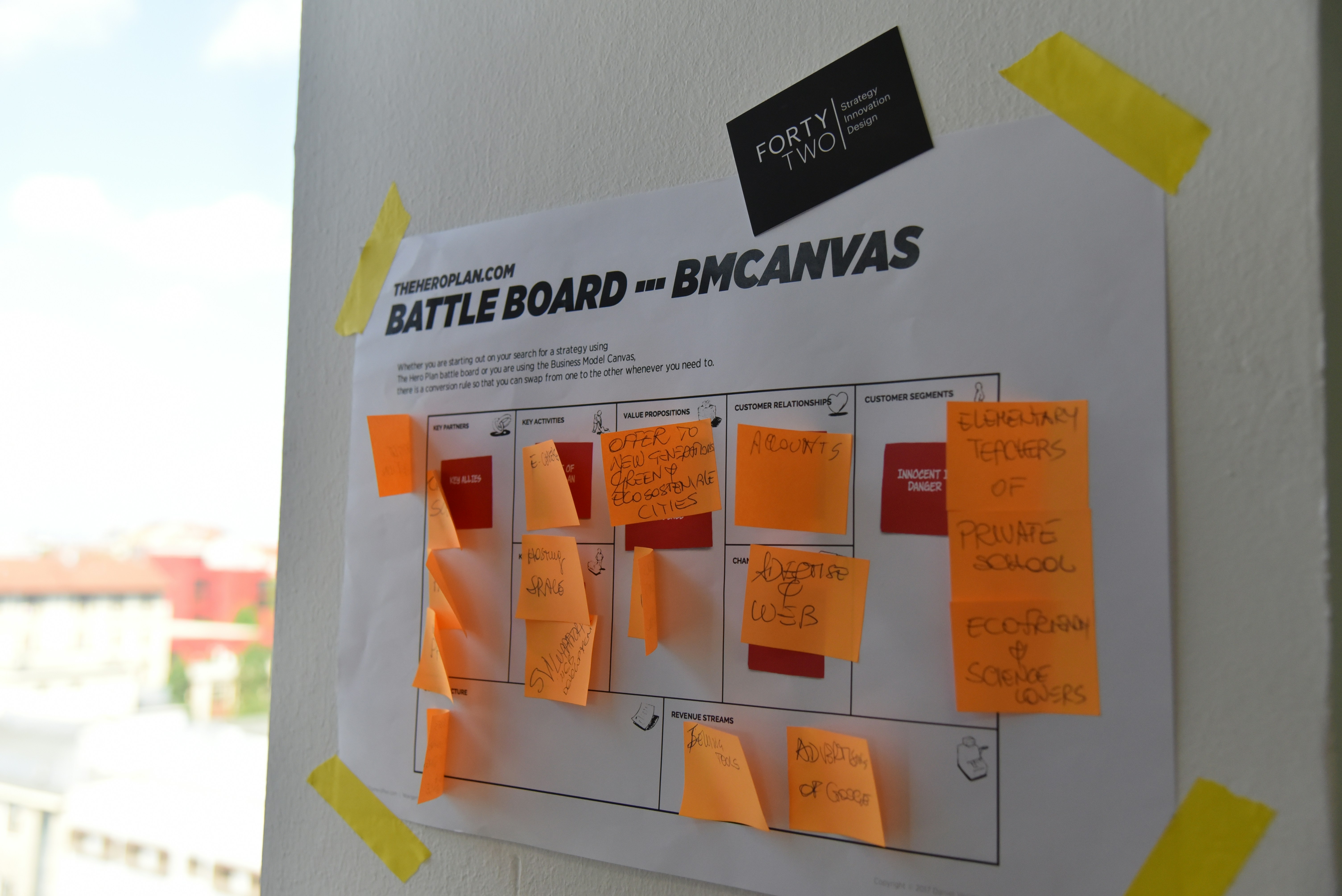

Before embarking on the journey to create a product roadmap, it is essential to thoroughly understand your business idea. A strong foundation starts by identifying the core problem your product aims to solve. Pinpointing this problem ensures that your offering provides genuine value to potential customers. Spend time analyzing pain points, market inefficiencies, or unmet needs your solution addresses, as this step is critical for long-term product relevance and success.
Equally important is identifying and understanding your target audience. Knowing who your product serves influences every aspect of development—from feature prioritization to marketing strategy. Creating user personas based on demographics, behaviors, motivations, and challenges allows you to tailor the product experience more effectively. This audience insight ensures your product resonates with real users and is positioned correctly in the market.
Establishing a unique value proposition is the final piece in fully understanding your business idea. A compelling value proposition clearly communicates what sets your product apart and why it matters to users. Conducting market research, analyzing competitors, and identifying gaps in existing solutions can provide valuable input. When your value proposition is clear and differentiated, it strengthens your brand identity and gives customers a compelling reason to choose your product.
Defining Your Product Vision and Goals
A well-defined product vision serves as the foundation for guiding all product development decisions. This vision captures the long-term purpose and aspiration of your product, offering direction to both your team and stakeholders. It should align with your business’s overarching goals and reflect the needs of your target audience. A clear vision creates focus, reduces ambiguity, and ensures consistent alignment throughout the product lifecycle.
To craft an effective product vision, clearly state who the product is for, what problem it solves, and why it stands out. For example, a health-focused startup might say, “To empower users to lead healthier lives through personalized, data-driven nutrition plans.” This not only clarifies the user segment and benefit but also captures the product’s unique angle. A concise, inspiring vision becomes a touchstone for decision-making and helps rally the team around a shared objective.
Once your vision is set, defining measurable goals is key to executing that vision. Use the SMART framework—Specific, Measurable, Achievable, Relevant, and Time-bound—to ensure your goals are actionable. For example, instead of a vague goal like “grow users,” aim for “increase active users by 30% in Q3.” These kinds of goals break down the broader vision into clear, trackable outcomes, making progress more tangible and keeping the team motivated and accountable.
Creating the Product Roadmap
A product roadmap transforms your strategic vision and goals into a structured action plan. This document outlines what needs to be built, when it will be delivered, and how it aligns with business priorities. A roadmap serves as a communication tool between product teams, executives, and stakeholders, helping to manage expectations and ensure everyone is working toward the same objectives.
Timelines and milestones are essential elements in roadmap creation. Timelines provide a chronological structure, while milestones mark critical achievements such as MVP launch or completion of user testing. These elements not only help teams stay on track but also create opportunities for evaluating progress and celebrating small wins. Clearly defined milestones also make it easier to identify bottlenecks or delays early in the development cycle.
Feature prioritization is another core component. Leveraging frameworks like MoSCoW (Must-have, Should-have, Could-have, Won’t-have) or RICE (Reach, Impact, Confidence, Effort) can help teams decide what to build first. These methods allow for systematic decision-making and ensure the highest-value features are addressed early. Additionally, visualizing the roadmap using tools like Jira, Trello, or Productboard can enhance team collaboration and make the roadmap easier to understand and update.
Implementing and Iterating on the Roadmap
Once the product roadmap is finalized, successful implementation begins with team alignment and stakeholder buy-in. It’s crucial to communicate the purpose and benefits of the roadmap across departments to build a unified understanding. Stakeholder engagement can be maintained through regular roadmap reviews and feedback sessions, ensuring alignment remains strong as the product evolves. A collaborative approach fosters accountability and increases the likelihood of long-term success.
Monitoring progress against the roadmap is vital for staying on course. Utilizing KPIs and metrics allows teams to track performance and ensure that goals are being met within the intended timeline. Tools such as dashboards and sprint boards offer transparency into ongoing work and can be used to quickly identify and address roadblocks. Real-time visibility enhances responsiveness and helps ensure timely course corrections if project variables shift.
Continuous iteration is key to keeping your product competitive and aligned with market demands. Agile methodologies support this through regular sprint cycles, retrospectives, and opportunities for refinement based on user feedback or performance data. This iterative loop promotes responsiveness, encourages innovation, and ensures that the product evolves in tandem with user needs and industry trends. By embracing iteration, businesses can increase their agility and maximize the product’s market impact.
In conclusion, the successful implementation of a product roadmap is not a one-time effort but an evolving process. By fostering stakeholder engagement, diligently tracking progress, and integrating feedback through agile methodologies, businesses can effectively refine their product offerings and ensure they are meeting market demands.